
3 Sept 20266 min read
Rainy-season rental upkeep in Kenya: what to check for drainage, damp, and water leaks before you sign
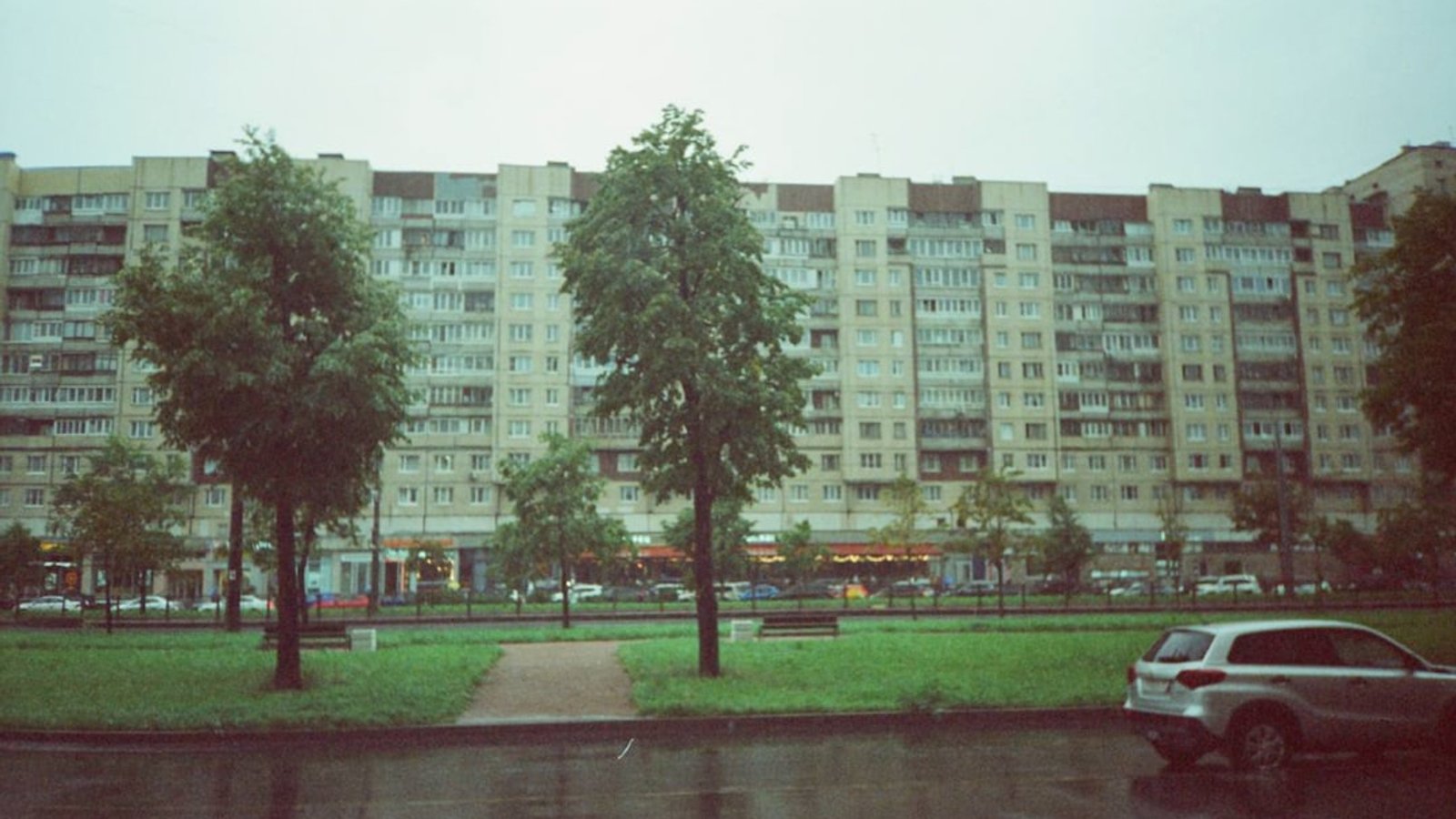
When the rains start, a rental home can feel very different from what you saw on a dry afternoon. A unit that looked bright, airy, and well-kept may reveal slow drainage, damp corners, roof leaks, or water pooling around the compound once the weather changes.
For renters planning a move in the next one to three months, this is a good time to look beyond the paintwork and furniture-friendly layout. Rainy-season performance is part of everyday liveability, so it helps to check how a home handles water, where moisture may collect, and whether the building is easy to maintain.
If you are viewing homes now, here is what to look for before you sign.
Why rainy-season checks matter
Rain exposes weak points in a property quickly. Poor drainage can lead to muddy entrances, water around parking areas, and harder access to the building. Damp can show up as peeling paint, musty smells, or dark patches on walls and ceilings. In some homes, the issue is minor and fixable. In others, it is a sign of ongoing maintenance gaps.
These issues affect comfort, but they can also affect your routine. A home that floods at the gate, develops leaks in one bedroom, or collects water near the compound may become inconvenient very quickly. That is why it is worth checking for these signs before you commit.
What to inspect outside the house
Start with the compound and approach routes. Even if the interior looks good, the outside environment tells you a lot about rainy-season maintenance.
- Drainage paths: Look for open drains, blocked channels, or water sitting along walkways.
- Ground slope: A slightly sloped compound usually helps water move away from the building rather than into it.
- Entrance points: Check whether the main door, parking area, and paths to the unit are raised enough to avoid water entry.
- Soil and planting areas: Oversaturated soil near the foundation can be a warning sign if it stays wet for long periods.
- Roof runoff: See where rainwater is likely to fall from gutters and whether it lands near walkways or walls.
If you are viewing during a dry spell, ask how the compound behaves in heavy rain. Recent on-site photos or a walkthrough video can help you see areas that may not be obvious in person.
Signs of damp inside the unit
Inside the home, damp usually leaves clues before it becomes a major problem. Take a slow look around each room, especially corners and surfaces that are easy to ignore during a quick visit.
- Ceilings: Yellow-brown stains, bubbling paint, or uneven patches may suggest past or active leaks.
- Walls: Discolouration, soft plaster, or flaking paint can be linked to moisture entering through the structure.
- Windows: Condensation, mould around frames, or water marks may point to poor sealing or limited ventilation.
- Wardrobes and cupboards: Closed storage near exterior walls can trap moisture if the unit is prone to damp.
- Smell: A stale or musty smell is often a useful early warning, even when surfaces look clean.
Do not dismiss a small stain as only cosmetic. Ask whether it has been fixed, when it last appeared, and what was done to prevent it from returning.
Check the bathroom, kitchen, and utility areas carefully
Some of the most common water-related issues show up in rooms that use plumbing heavily. Pay attention to drainage speed and evidence of repeated moisture.
- Bathroom floor: Water should drain properly after use, not sit in puddles.
- Shower area: Look at tile joints, sealant, and the base of the shower for signs of leakage.
- Under sinks: Check for swelling, mould, or staining on cabinet bases and nearby walls.
- Kitchen corners: Water damage around the sink or beneath countertops can indicate slow leaks.
- Balconies or wash areas: These should drain away rather than toward the main house.
If a home has a laundry or utility space, ask whether it remains dry during extended rain. A good layout should make everyday washing and drying manageable, not stressful.
Questions to ask before signing
Good viewing questions can save you time later. Ask about maintenance history, not just current appearance.
- Has the unit had previous issues with leaks, damp, or drainage?
- When were the gutters, drains, or roof last checked?
- Who handles repairs if water damage appears after you move in?
- Are there known problem spots in the compound during heavy rain?
- Has the landlord or management made any recent waterproofing or drainage improvements?
If the person showing you the house cannot answer clearly, that does not automatically mean the home is unsuitable. But it does mean you should ask for a more complete explanation before paying a deposit.
What renters often miss on a quick visit
Some issues are easy to overlook when you are focused on rent, size, and finishes. Try to slow down and inspect the details that affect rainy-season comfort.
- Window seals that look loose or uneven
- Cracks near walls, ceilings, or exterior joints
- Water marks behind doors or in corners near the roofline
- Odours coming from closed rooms or cupboards
- Signs that temporary patching has been done repeatedly
If possible, view the property when the weather is not perfectly dry. A home can look very different after an overnight shower or during a wet afternoon.
How verification helps you compare homes more confidently
Rain-related issues are one of the reasons verified listings matter. Physical verification can help surface visible condition, surrounding access, and practical infrastructure details that help you compare options before you sign.
This is especially useful when you are choosing between homes in different parts of the city or between urban and commuter-area properties, where drainage, access roads, and building maintenance may vary from one property to another. A home does not need to be perfect, but it should be honest about its condition and suitable for the season you are moving into.
A simple rainy-season viewing checklist
Before you commit, pause and run through this quick list:
- Does water drain away from the entrance and compound?
- Are there signs of damp, leaks, or mould inside?
- Do bathrooms, sinks, and wash areas drain properly?
- Are walls, ceilings, and window frames in good condition?
- Has the landlord or agent explained any past water issues clearly?
If you can answer those questions with confidence, you are in a much better position to sign with fewer surprises later.
Rainy-season rental checks are not about being overly cautious. They are about choosing a home that works in real conditions, not only on a viewing day. A little extra attention now can save you from frustration after moving in, and it can help you compare homes based on more than just the finish and the asking rent.
Further reading
Related articles

26 Oct 20266 min read
How to budget for rent, deposit, and service charge in Kenya before you move
Learn how to budget for rent, deposit, and service charge in Kenya with a practical move-in checklist. Compare the full cost before you choose a verified rental.
Read article →
8 Oct 20267 min read
Furnished vs unfurnished rentals in Nairobi: how to compare the real costs before you move
Trying to choose between a furnished and unfurnished rental in Nairobi? Compare rent, setup costs, flexibility, and what to check before you move.
Read article →
15 Sept 20265 min read
Service charge and utilities in Nairobi: what rent usually covers and what it does not
Learn what Nairobi rent usually covers, how service charge works, and which utilities to confirm before signing. A practical renter guide for comparing monthly housing costs.
Read article →