
5 Sept 20268 min read
First viewing checklist for Nairobi renters: what to ask about water, power, internet, and access
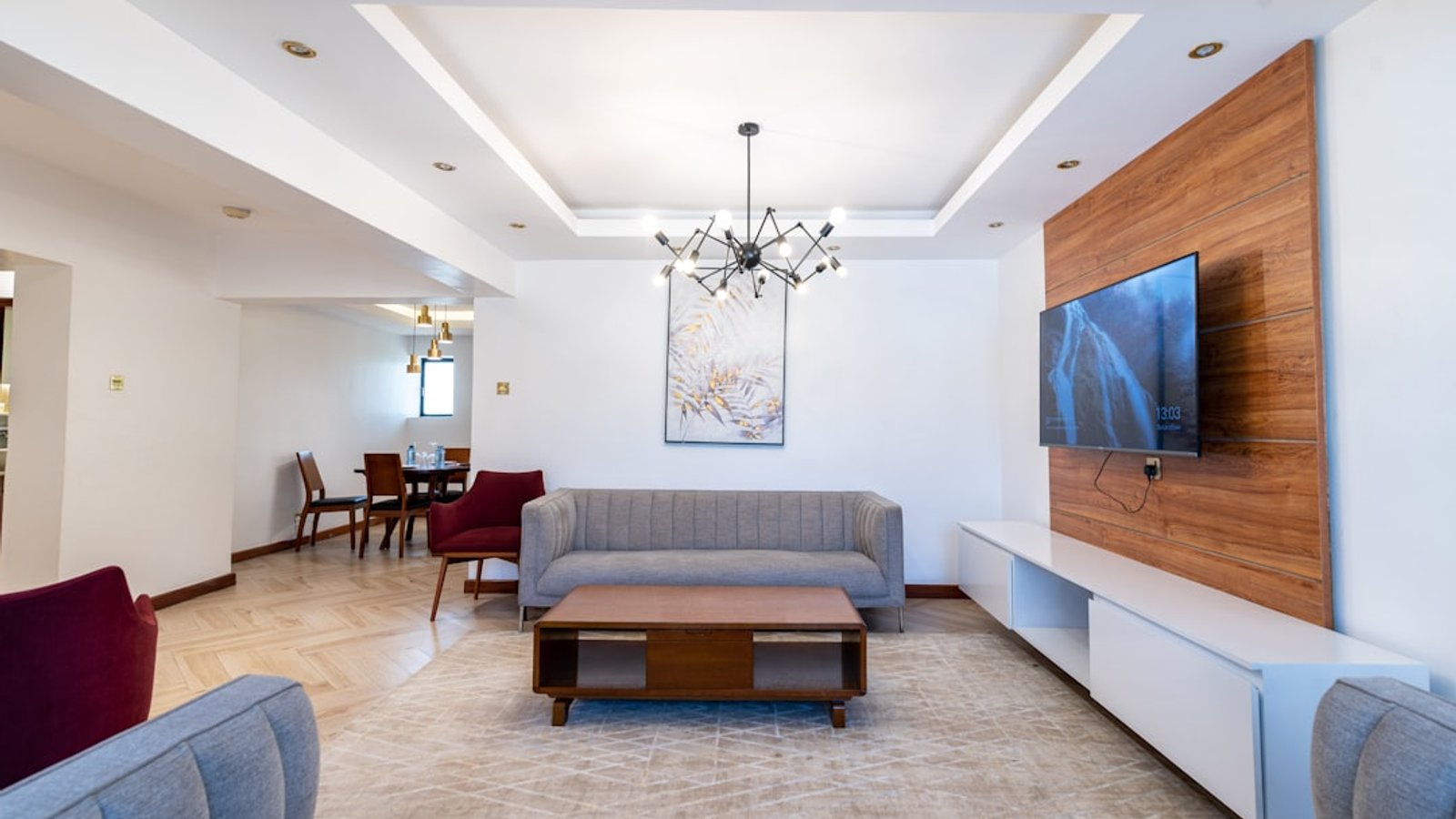
If you are planning to move within the next one to three months, a property viewing should do more than show you nice finishes and a bright living room. In Nairobi, the details that affect daily life are often the basics: water supply, electricity reliability, internet options, and how easily you can get in and out of the estate or building.
A good viewing helps you understand not just the apartment, but the practical reality of living there. That is also why verified listings are useful: at Makao Homes, physically verified homes come with on-site checks, photos, and walkthrough videos that help you ask better questions before you commit.
Start with the essentials: water, power, internet, and access
When you arrive for a viewing, it is easy to get distracted by the paint colour, balcony view, or wardrobe space. Those are important, but your monthly comfort will often depend more on the systems behind the walls. Use the viewing to ask simple, direct questions and to see whether the answers match what you observe on site.
- Water: Where does it come from, how often is it available, and is there storage?
- Power: Is electricity stable, and how are outages handled?
- Internet: Which providers serve the building or estate, and what speeds are realistically available?
- Access: How do people, cars, deliveries, and visitors get in and out?
If you only remember one thing from the viewing, let it be this: do not assume a polished unit means the building runs smoothly. Ask for specifics.
Water: ask the questions that affect everyday routine
Water should be one of your first topics. A home can look perfect and still be frustrating if supply is inconsistent or storage is inadequate. Ask whether the property has piped water, a borehole, a water tank, or a combination of sources. Then ask how often water is available and whether there are known interruptions.
You should also ask whether the unit has a personal storage tank, whether the building has a shared reserve tank, and how long stored water typically lasts. If you are viewing on an upper floor, ask whether pressure is strong enough at all hours. In some buildings, water pressure changes noticeably at peak usage times.
Look around the bathroom and kitchen for signs that may hint at water management issues: stains around fittings, slow drainage, or patched pipework. These are not automatic deal-breakers, but they are worth clarifying before you move forward.
Helpful questions to ask include:
- How often is water available in this building or estate?
- Is there a backup tank, and if so, how is it managed?
- Does each unit have its own storage, or is storage shared?
- Are water bills separate, included, or metered?
- Have there been recent supply interruptions?
Power: check more than just whether the lights switch on
Electricity is another area where a quick glance can be misleading. During the viewing, test a few switches if you are allowed to do so. Ask whether the unit has been wired properly for heavier appliances such as a microwave, washing machine, or water heater. If the home relies on an inverter, generator, or shared backup system, ask what it covers and for how long it usually runs.
In Nairobi, what renters often want to know is not just whether power exists, but how the building handles interruptions. A property may have backup options, but those may only cover common areas or essential lighting. Clarify what tenants can expect inside the unit itself.
Also ask whether the unit has prepaid or postpaid electricity arrangements, and whether you will be responsible for any maintenance related to sockets, fixtures, or visible wiring. If something looks patched, loose, or old, ask the landlord or agent when it was last checked.
Useful questions include:
- Does the building have backup power, and what does it cover?
- Is the unit on prepaid or postpaid electricity?
- Are there enough sockets for everyday use?
- Are there any known electrical issues in the block?
- Who handles repairs if sockets, switches, or breakers fail?
Internet: do not assume strong signal means easy setup
Internet is one of the easiest things to overlook during a viewing, especially when the agent says “the area is covered.” Coverage is not the same as reliable service inside the exact unit you are viewing. Walls, floor level, and building structure can all affect signal.
Ask which internet providers actually serve the building or estate. If you work remotely, stream often, or rely on video calls, ask whether tenants typically install fibre, use a home router, or depend on mobile data as backup. It also helps to know whether the landlord allows drilling or mounting equipment, and whether there is any existing cabling in the unit.
If possible, do a quick signal check during the viewing using your phone. This is not a full speed test, but it can help you spot very weak reception. In a verified Makao Homes viewing, this is the kind of practical detail that can save you from moving into a home that looks good but performs poorly for daily use.
Questions worth asking:
- Which internet providers serve this building?
- Can fibre be installed directly to the unit?
- Is there existing cabling or a connection point?
- How is mobile signal inside the apartment?
- Are there any restrictions on installation by tenants?
Access: think about the full journey, not just the front door
Access is broader than whether the main gate opens. It includes how easy it is to reach the property from the road, whether boda bodas and delivery riders can enter, and how visitors are handled. If you expect frequent deliveries, this matters a lot.
Check the route from the main road to the building. Is it well lit? Is the road smooth enough for everyday use? If the property is inside a gated community or apartment block, ask about visitor procedures, security checks, parking rules, and after-hours access. If you will drive, confirm whether parking is included, assigned, or shared. If you do not drive, ask how easy it is to get cabs or public transport nearby.
You should also ask about practical access issues inside the building: lift availability, stair condition, delivery handling, and any time restrictions for visitors or movers. These details matter even more if you are moving bulky furniture or expect family members to visit often.
Useful access questions include:
- How do visitors sign in or gain entry?
- Is parking included, and is it reserved?
- Can delivery riders reach the door or reception area?
- Are there lift or stair access issues to know about?
- Are there curfews or gate closing hours?
What to compare across multiple viewings
If you are touring more than one home, use the same checklist each time. That makes comparison easier and keeps you from relying on memory alone. Write down short notes after every viewing so you can compare the answers later.
- Water availability and backup storage
- Power reliability and backup coverage
- Internet provider options and signal quality
- Ease of entry, parking, and delivery access
- Any unclear answers that need follow-up
This is especially helpful if you are viewing homes over several weeks. A unit that looks slightly less polished may be far more practical if the water supply is steady, the power setup is clear, and internet installation is straightforward.
How Makao Homes verification supports better viewings
Verified listings reduce the guesswork before you even reach the property. Makao Homes checks homes on site and documents what matters, so you can spend your viewing time asking follow-up questions rather than discovering basics from scratch. When a listing is verified, you are starting from a stronger information base.
That does not replace your own checklist. It simply gives you a better starting point. You still need to ask about water schedules, power backup, internet access, and entry procedures because these details shape your daily experience far more than photos alone.
If you are planning a move in the coming weeks, take your time with viewings and treat the essentials as non-negotiable. A home that works well on paper should also work well when you are trying to shower before work, join an online meeting, receive a delivery, or get back home late in the evening.
The best rental choices are not just attractive. They are clear, practical, and easy to live in.
Further reading
Related articles

13 Sept 20266 min read
Viewing verified homes vs unverified listings: what changes on site
Learn what changes when you view a verified home versus an unverified listing in Kenya. See how Makao Homes’ physical checks, photos, walkthrough videos, and site checks help renters compare homes with more confidence.
Read article →
26 Oct 20266 min read
How to budget for rent, deposit, and service charge in Kenya before you move
Learn how to budget for rent, deposit, and service charge in Kenya with a practical move-in checklist. Compare the full cost before you choose a verified rental.
Read article →
15 Oct 20266 min read
Why verification should be repeated: how reverification protects renters and landlords
Condition checks should not be one-and-done. Learn why reverification matters for renters and landlords, and what to confirm before you sign or move in.
Read article →